The factory was never the problem.
| Client side | Alco London, through its Kenyan subsidiary Camilco Exports Ltd, where Newton was Managing Director |
|---|---|
| Target | Meru Greens Horticulture EPZ Ltd, an export processing zone factory in Athi River, Machakos County |
| Sector | Value-added horticulture: extra-fine green beans in glass jars and cans for EU retail |
| Period | May 2022 to mid-2023 |
| Mandate | Majority acquisition, debt resolution and turnaround planning |
| Scale | A $9.5 million recapitalisation, raised from an initial £5 million |
| Network | More than 10,000 smallholder farmers across 10 counties |
| Today | Ongoing. Newton remains in contact with the founder and advises informally |
The jars on the table
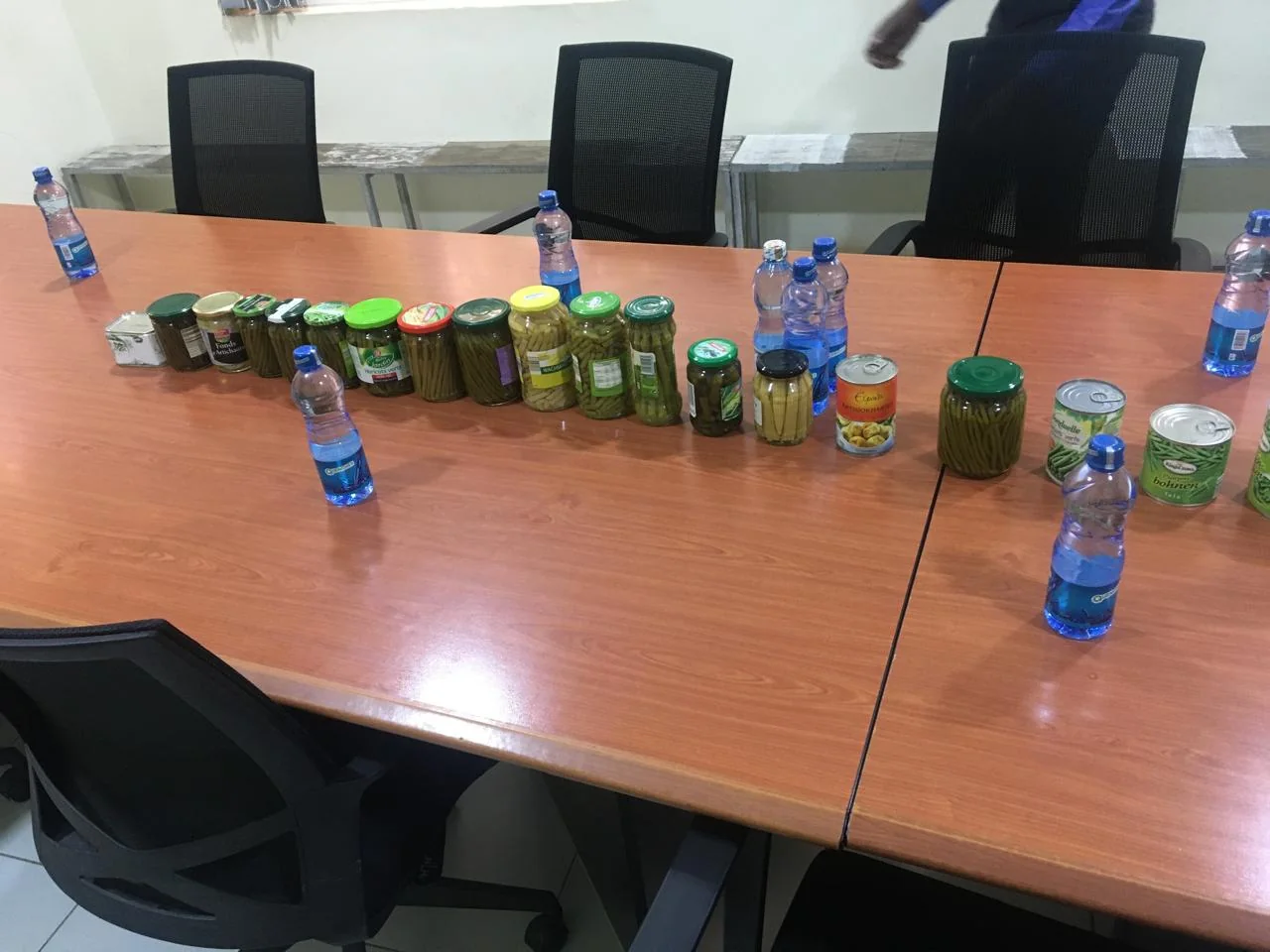
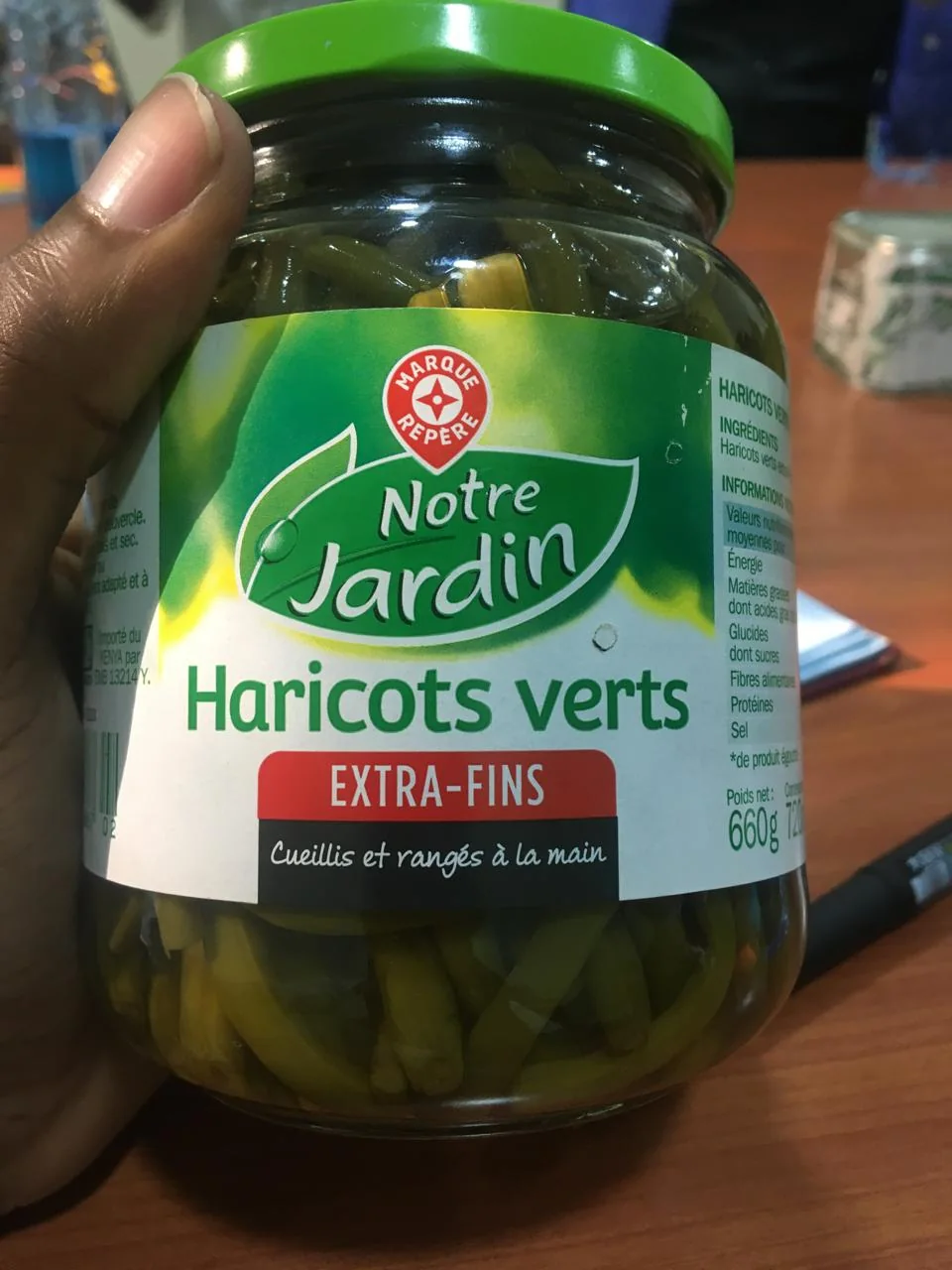
On the boardroom table at Athi River sat a row of glass jars of extra-fine French beans, picked and arranged by hand, under the labels of European supermarket chains. A Kenyan family had built a factory good enough to win those contracts. It took me a while to see that the jars were the easy part.
A founder’s value chain
Gerald Muthomi started Meru Greens in 1996 to do one thing: organise smallholder farmers and connect them to markets that paid properly. Over almost twenty years it grew into a network of more than 10,000 growers in ten counties. Then the family made the move most agricultural exporters only talk about. They stopped selling raw produce and began processing it.
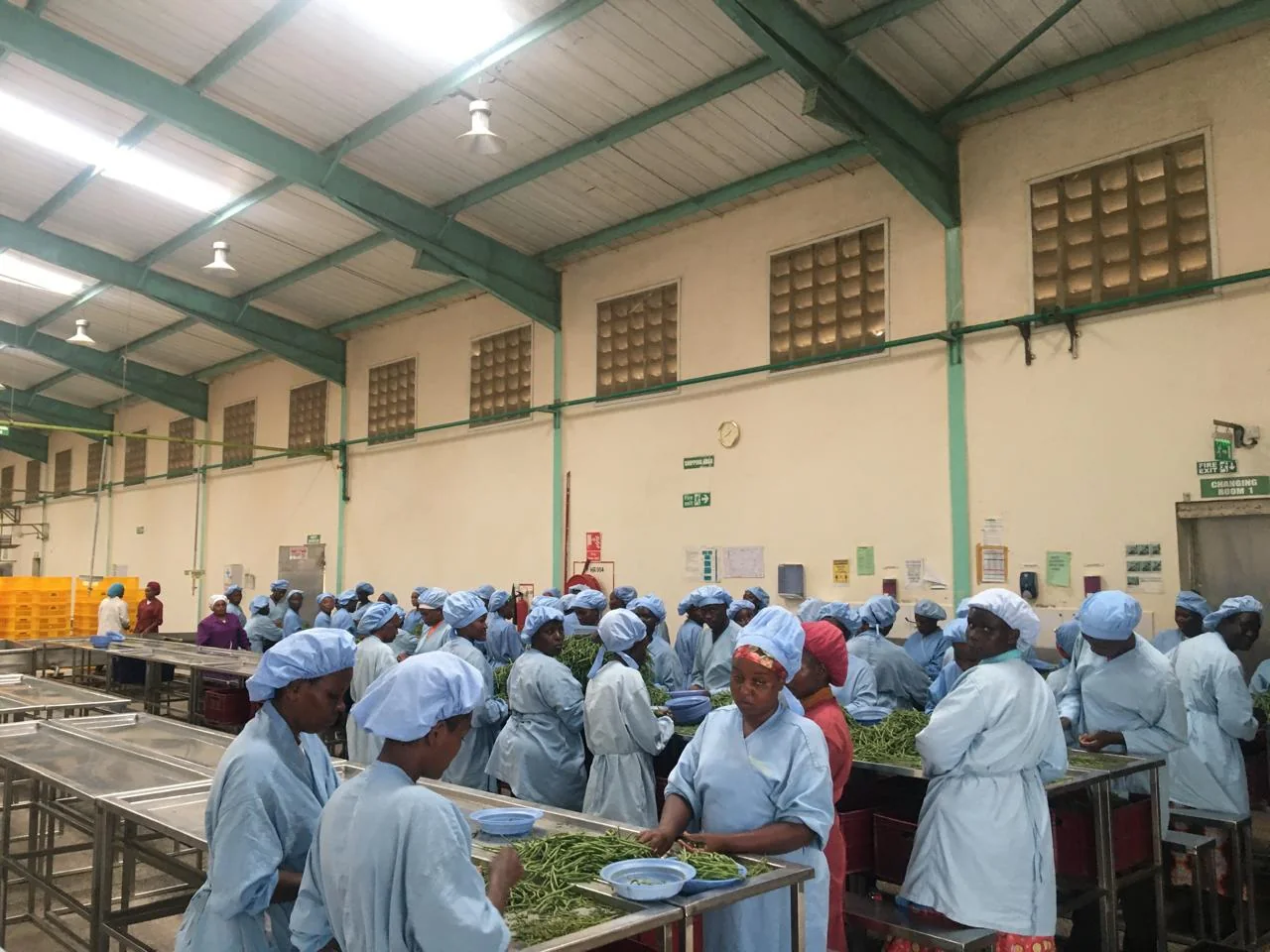
In 2014 they set up Meru Greens Horticulture EPZ on a 50-year export processing zone lease in Athi River. They built a modern plant with two processing lines, a quality laboratory and cold rooms, and put Kenyan beans under European private labels in France, Germany and Belgium. In 2019 it was named among Africa’s leading social businesses.
How a good business stalls
When I first walked the factory floor in 2022, the plant was running at about a quarter of its capacity. Demand was there, and so were the buyers. The problem lay in how the factory had been financed.
The factory had grown beyond its budget because the market asked it to. Buyers wanted more than one product line, so it was built bigger. The capital raised for that expansion was short-term trade finance: annual revolving facilities, priced in dollars at around 14 percent. Money meant to buy beans and packaging went into concrete and steel instead. Each year the business needed working capital to run, and had already spent it on the building. Without enough cash to buy raw material, the factory ran below break-even. Running below break-even made it harder to borrow. The pressure fed on itself.
COVID-19, floods, drought, currency swings and a gap in the shareholders’ agreement did the rest. By 2022 Meru Greens had an excellent asset, loyal European buyers and an experienced founder. It also had a capital structure that left no room to breathe.
My mandate
In May 2022 I came into the story as Managing Director of Camilco Exports Ltd, the Kenyan subsidiary of Alco London. Alco London invests in sustainable agriculture, and it had picked out Meru Greens for its location, its infrastructure and its business model. My job was to turn that interest into a transaction that worked: one the founder, the lenders, the regulators and the investor could all accept.
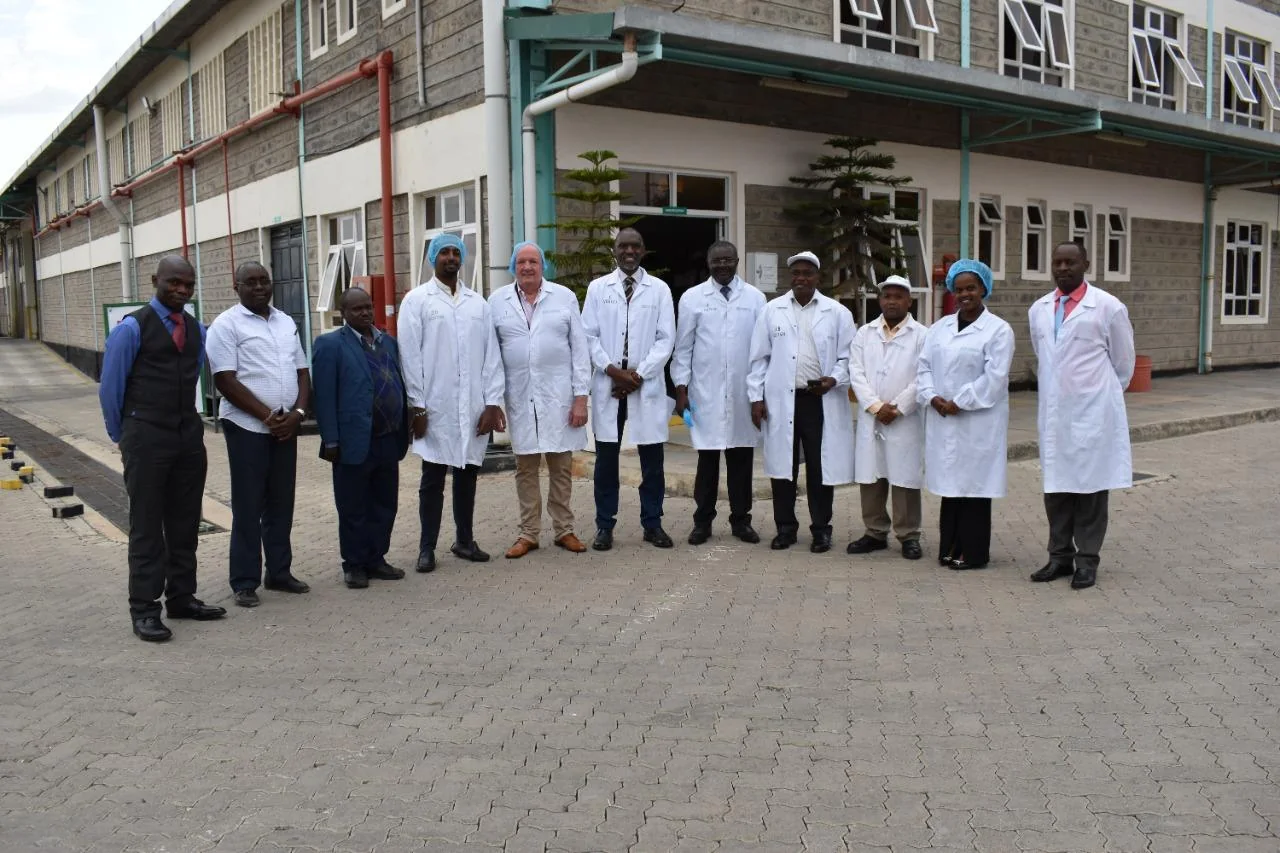
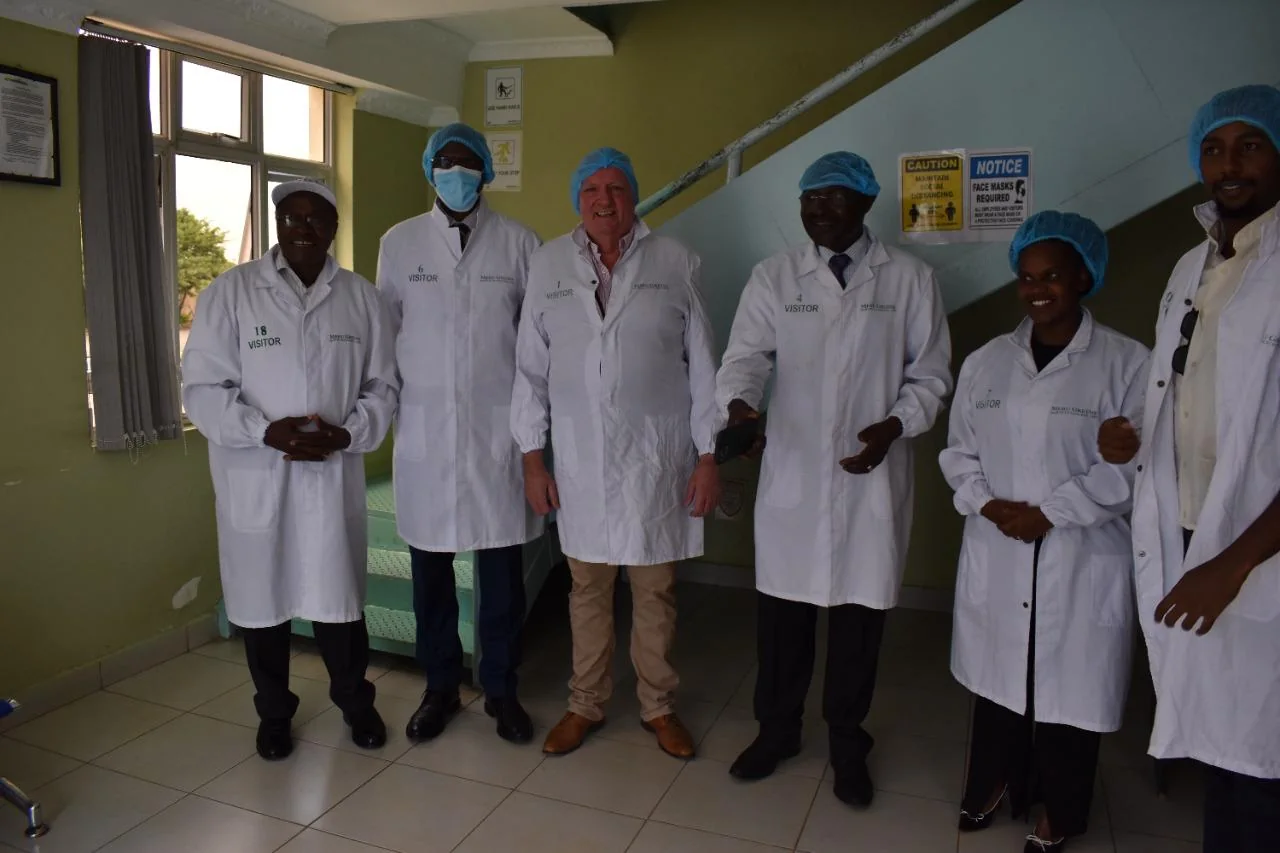
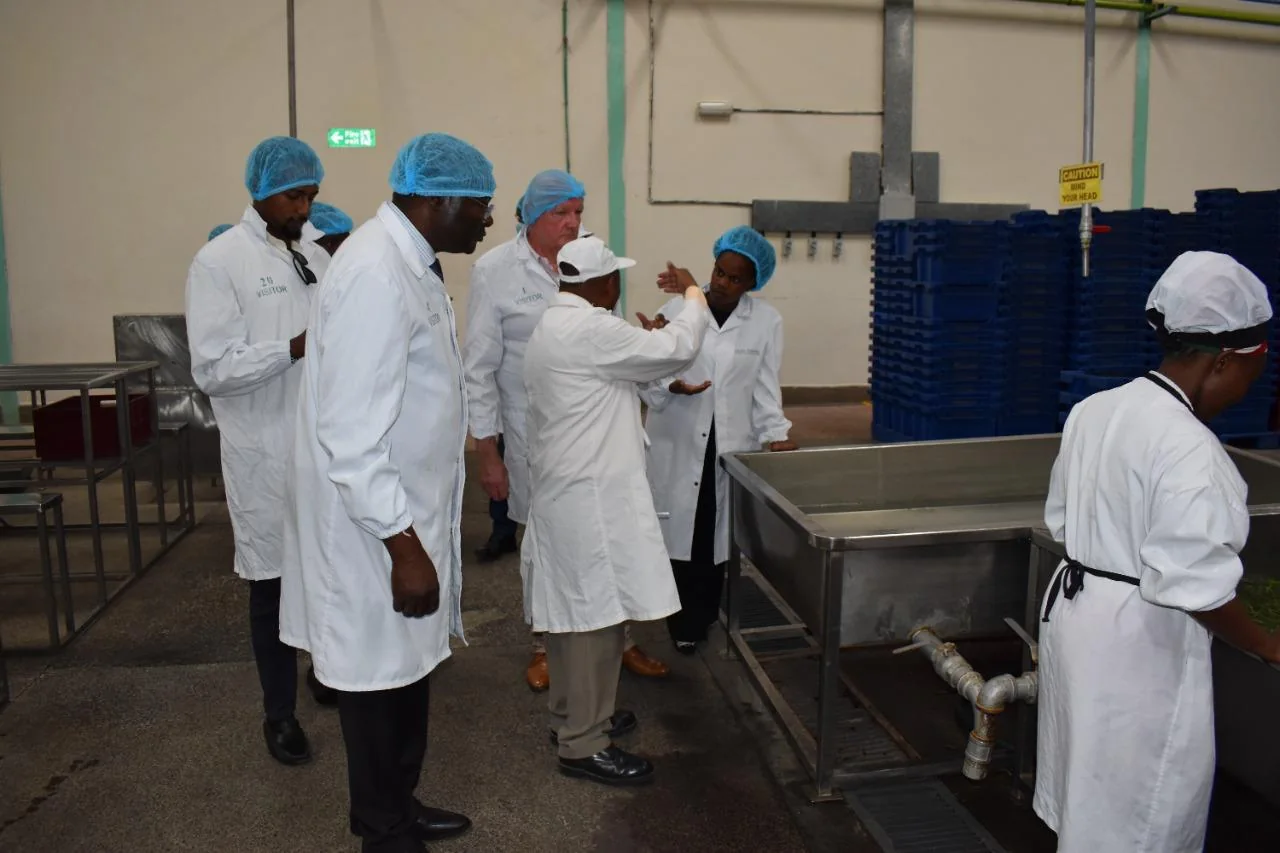
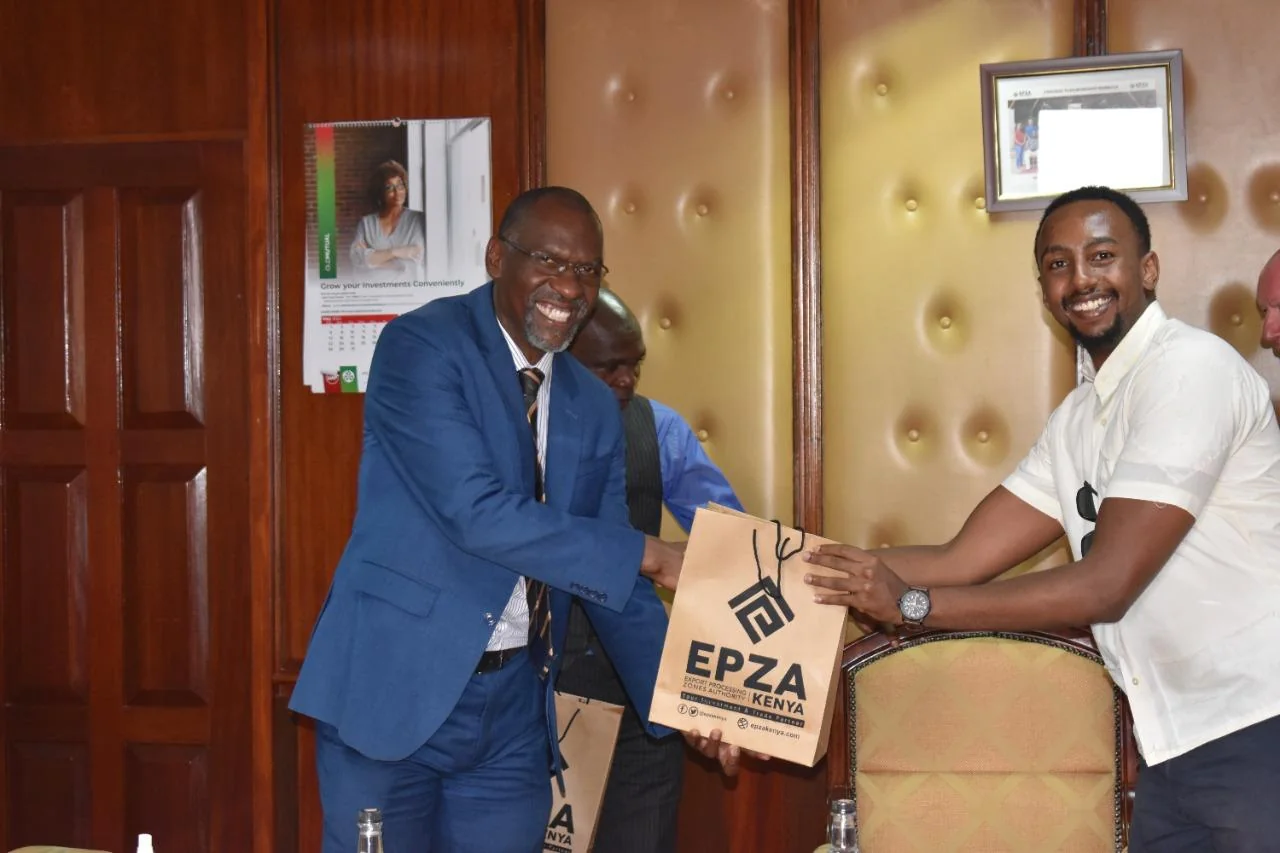
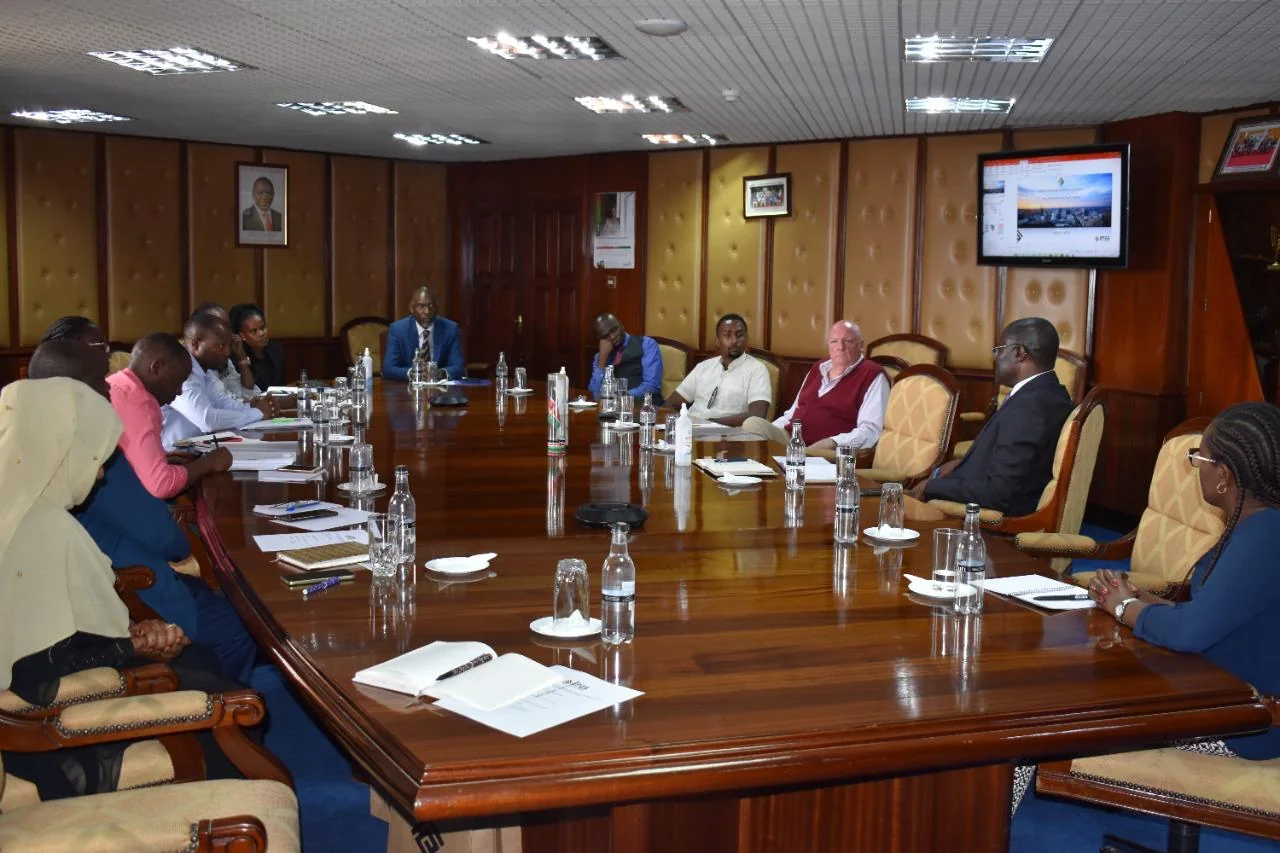
We did the work in the field and in the boardroom. We walked the processing lines, the cold chain and the quality laboratory, and checked dispatch records against what management told us. We brought the investment case before KenInvest, Kenya’s investment promotion agency, and the Export Processing Zones Authority, which leads every EPZ transaction. Legal due diligence ran through the investor’s Kenyan counsel. Then we worked through the numbers until they made sense. Three independent valuations sat on the file, and they pointed in very different directions.
The transaction we designed
The proposal grew from an initial £5 million to $9.5 million, enough to clear the legacy debt and put proper operating capital behind the plant. Its shape mattered as much as its size:
- a majority shareholding, so that one party could make decisions and carry them through
- settlement and restructuring of the existing debt, instead of piling new money on top of it
- matched capital: long-term money for long-term assets, and working capital kept for operations
- a digital layer for farmer engagement and traceability, so the supply base could be measured, trained and rewarded
- the founder kept as Managing Director, because European buyers were buying Gerald’s relationships as much as his beans
That last point was not negotiable for me. A turnaround that removes the person the market trusts is not a turnaround. It is a liquidation that takes longer.
Where it stands
How the transaction ended is a matter for the parties involved. What has lasted is the relationship. Gerald and I are still in touch, and I still advise him. The factory still runs, and the business case behind it is as strong as it was.
What it made of me
Camilco gave me a seat at the table on a complex cross-border deal: a London investor, a Kenyan founder, a tier-one bank, a UK trade financier and two government agencies, each with its own timeline and appetite for risk. Newton Freeman Enterprises is built on what I learnt there. Every agricultural and investment mandate I take on now starts with the same question Meru Greens taught me to ask: is this business short of opportunity, or short of the right capital?
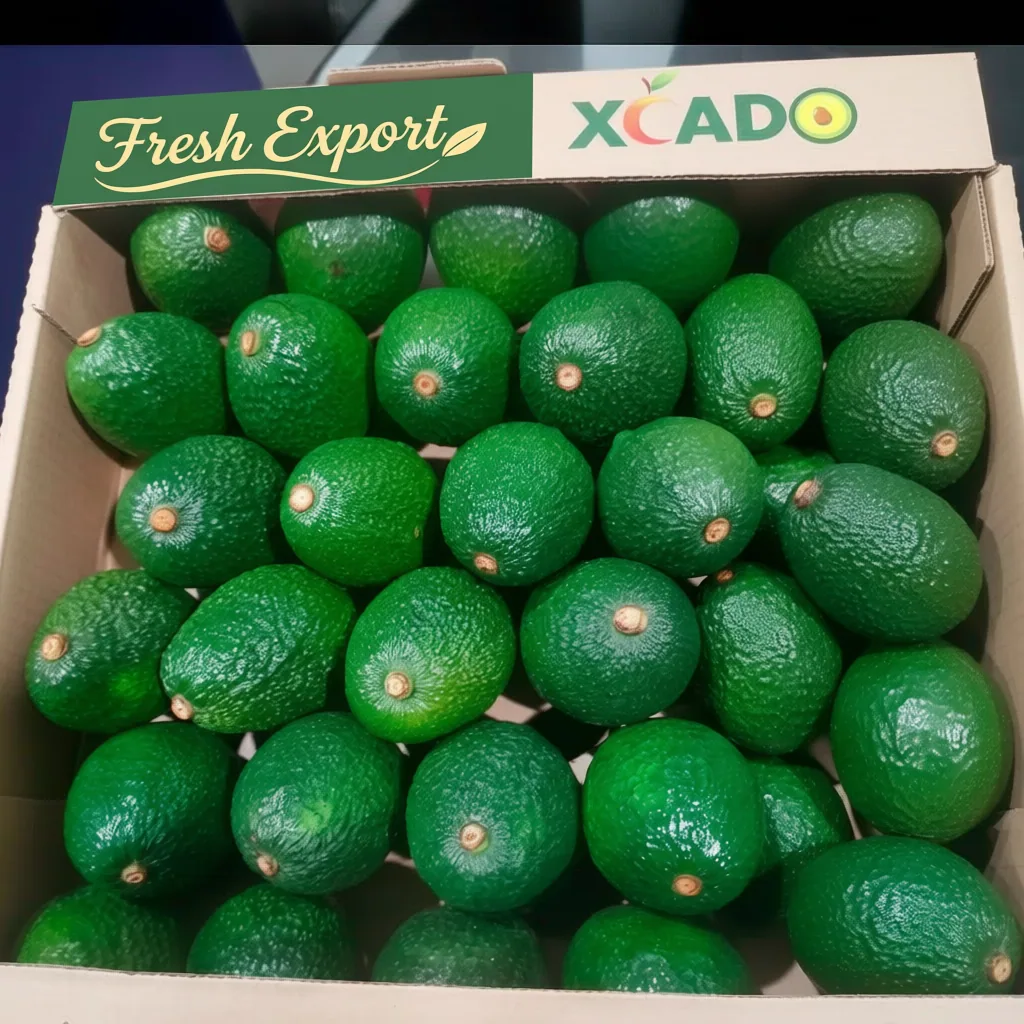
The farmer app we piloted during that engagement did not stay a pilot. It is now XGROW, the farmer platform of XCADO, my own agricultural export company. XGROW feeds real farm data directly into XCADO’s B2B agro-trade system. A tool first built to make one factory’s supply base visible now does the same job for a trading business.
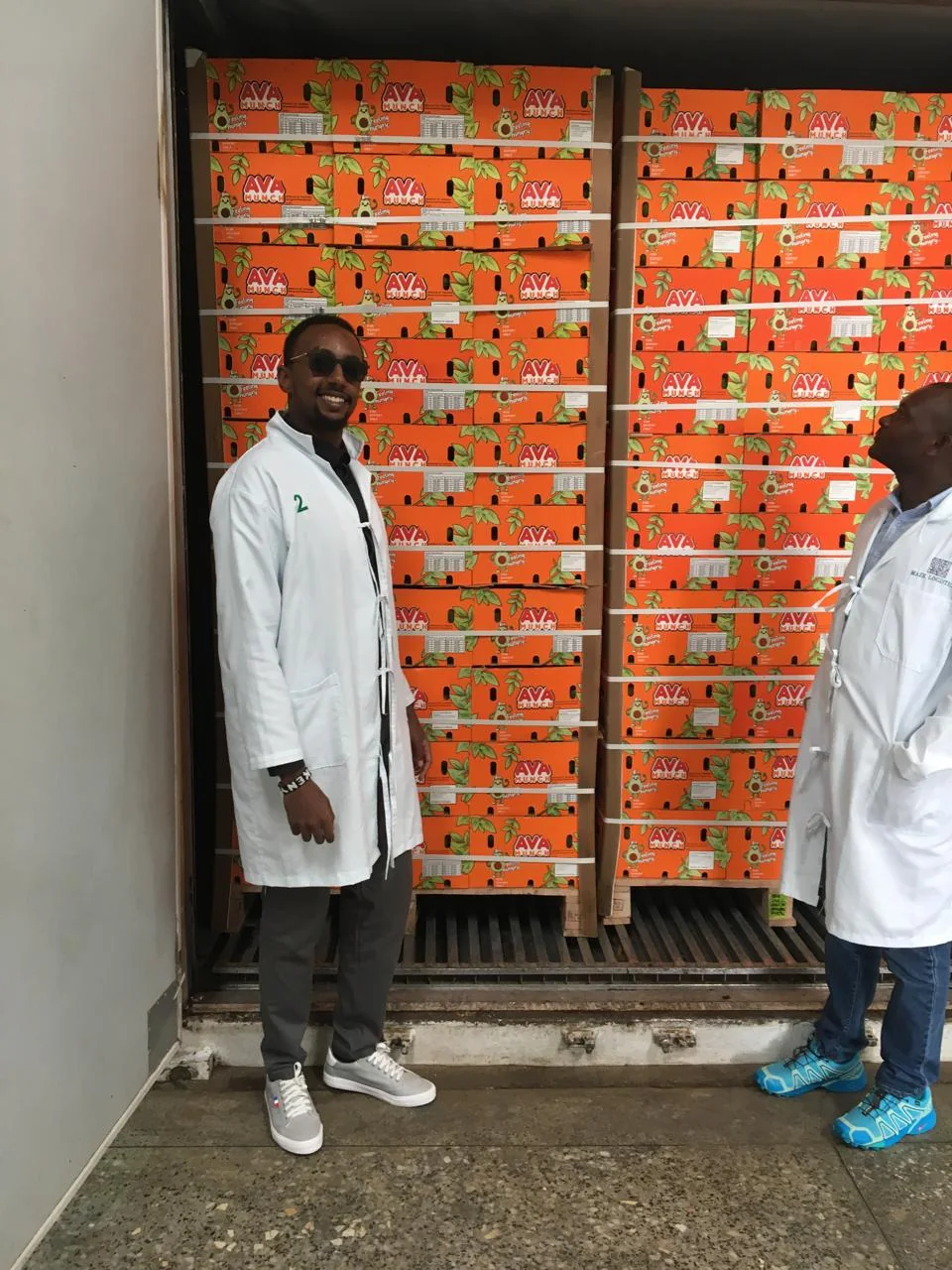
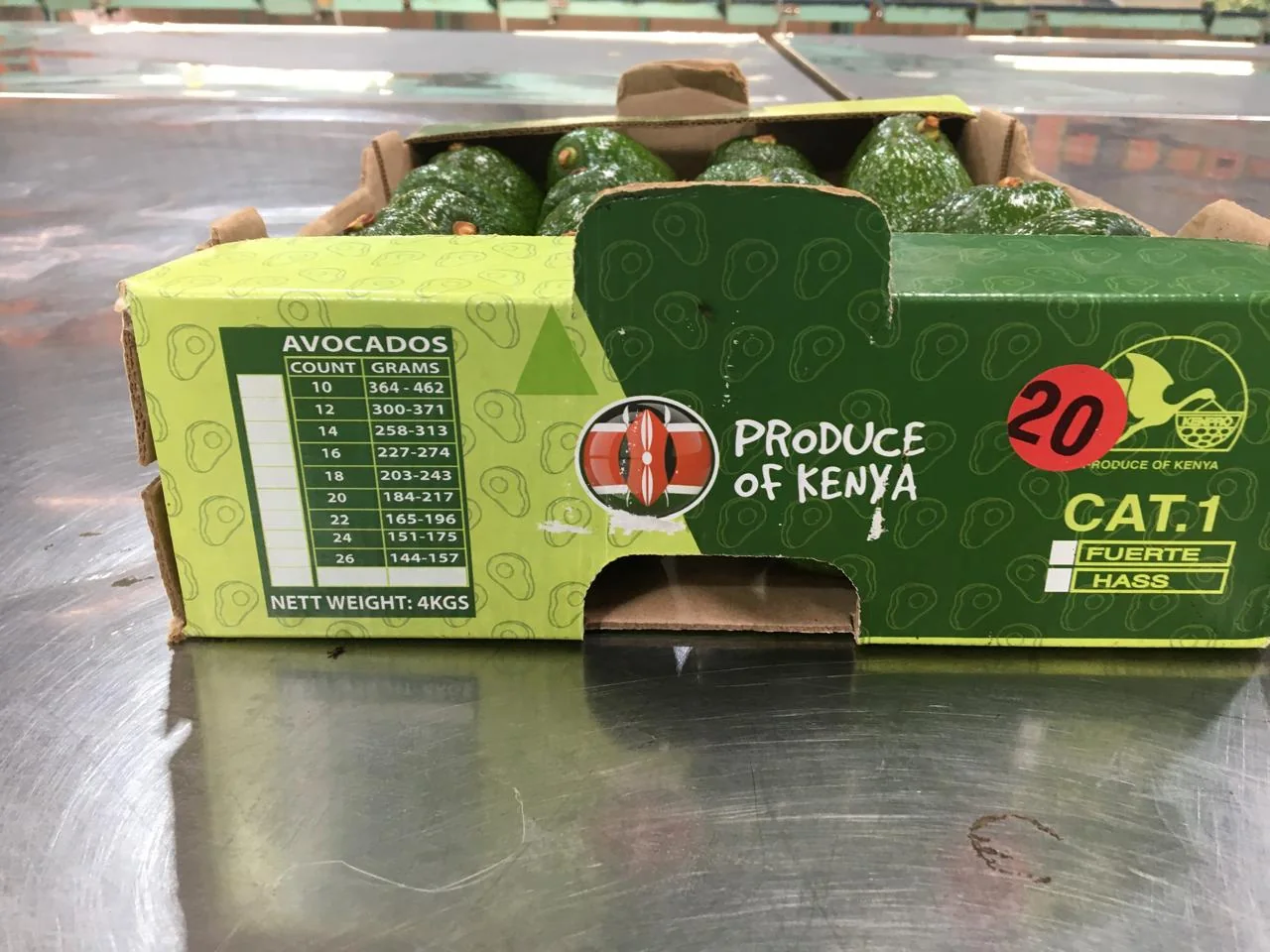
Meru Greens taught me that in agriculture, the factory is rarely what fails. The capital fails first. When money meant for buying beans is spent on concrete, even the best plant in the country will run at a quarter of its capacity.
The business case
The asset
- A one-hectare industrial site inside the Athi River Export Processing Zone, on a 50-year lease from 2015, with EPZ tax status for export income
- Two processing lines, with room for a third; each processing day turns out about one 10-tonne container of packed beans, and the plant can run day and night shifts
- An on-site quality control laboratory, cold rooms, boiler house, warehouse and offices, all with the export licences that EU retail requires
- Supply contracts with European importers and private-label retail across France, Germany and Belgium, with UK buyers also engaged
- A smallholder supply base of more than 10,000 farmers, built over twenty-five years
The gap
- Working capital: the plant was built partly with short-term money, so the operating cash it needed had already gone into the building
- Utilisation: about 25 to 30 percent of installed capacity, below the volume needed to break even
- Cost of capital: dollar-denominated revolving facilities at about 14 percent, converted into shillings through layers of disbursement approvals
- Equipment: no food-grade X-ray scanner, which had already cost the company a large German order
- Raw material model: credit for farm inputs, without enforceable offtake contracts, lost money when farmers sold their crop elsewhere
The thesis
Recapitalise once, and do it properly. Clear the legacy debt and restructure it. Give the plant enough working capital to run a container a day. Install the scanner. Buy from aggregators paid weekly, not through farm-input credit. Keep the founder at the centre of the buyer relationships. Done together, these changes move the factory from running below break-even to the volume it was designed for. Management’s projections showed annual shipments rising from a few dozen containers to several hundred.
The value nobody priced
Even the most careful valuation of Meru Greens left out its most important assets. It did not count the farmer network, the export licences, or the trust of European buyers built over decades. These are the assets that make an agricultural business hard to copy. An investor who prices only the buildings is buying the wrong thing.
Five lessons from Meru Greens
- Look at how the company is financed, not only at the company. Meru Greens’ assets and markets were sound; its money was simply in the wrong places. Trade finance used to build a factory will eventually stall even a good business. I now check the term, currency and cost of every source of money before I give an opinion on the business itself.
- A factory at a quarter of capacity is usually a working-capital problem, not a capital-spending one. The answer was not more machines. It was enough cash to keep raw material, packaging and labour arriving together, so that beans did not wait for jars and jars did not wait for beans.
- Credit for smallholders needs enforceable offtake. Lending farm inputs to farmers who can sell to anyone is a donation with paperwork. Paying aggregators weekly, against delivery, protects the farmer and the factory alike.
- The founder and the investor must share the same timeline. Most of the damage at Meru Greens came from capital that expected a quick exit, put into a business that needed patient money. Before money changes hands, both sides should agree when they expect it back and at what pace.
- Keep the person the market trusts. The buyers were in Europe, but the relationship lived in Kenya, with the founder. Any deal that removes that person destroys the value it set out to buy.